__Welcome to Mary's Heirloom Seeds!
All of the seeds listed are untreated, heirloom seeds.
Mary has signed the Safe Seed pledge.
All seeds are organic, open-pollinated, non-gmo and non-hybrid.
Free shipping on all Seed orders!
Seed Orders placed Monday-Friday are shipped within 24 hours, except for holidays.
If you are looking for rare seed varieties that are not listed please send an email
and we'll try to accommodate you.
All of the seeds listed are untreated, heirloom seeds.
Mary has signed the Safe Seed pledge.
All seeds are organic, open-pollinated, non-gmo and non-hybrid.
Free shipping on all Seed orders!
Seed Orders placed Monday-Friday are shipped within 24 hours, except for holidays.
If you are looking for rare seed varieties that are not listed please send an email
and we'll try to accommodate you.
Mary's Real Food Cookbook
What is Real Food? About the Cookbook...
To me, real food means homemade. It's simple, healthy food with an occasional decadent dessert. The book would not be complete with out Great-Grandma's 14 Karat Cake. Recipes include a mix of traditional, exotic, light and sinful all in one compact book.
The cookbooks are 6"x 9" eco-friendly, with a certified
Forest Stewardship Council printer using high quality 100 lb silk finish paper and lay-flat spiral binding.
FREE Shipping through April 30th ($4 savings) Only 4 books left
What is Real Food? About the Cookbook...
To me, real food means homemade. It's simple, healthy food with an occasional decadent dessert. The book would not be complete with out Great-Grandma's 14 Karat Cake. Recipes include a mix of traditional, exotic, light and sinful all in one compact book.
The cookbooks are 6"x 9" eco-friendly, with a certified
Forest Stewardship Council printer using high quality 100 lb silk finish paper and lay-flat spiral binding.
FREE Shipping through April 30th ($4 savings) Only 4 books left
$
25.00
Microgreens Combo Pack: A mini-garden!
$
19.50
What are migrogreens you ask?
They are "micro" version of produce! They're like sprouts but without the jar and the rinse/drain cycle.
This creative combo pack includes:
1 ounce of organic broccoli seeds, 1 ounce organic alfalfa seeds,
1 pack of heirloom Arugula and 1 pack of heirloom French Breakfast Radish.
Also includes a container for your mini-garden and detailed instructions to grow microgreens.
Just add dirt! FREE Shipping!
They are "micro" version of produce! They're like sprouts but without the jar and the rinse/drain cycle.
This creative combo pack includes:
1 ounce of organic broccoli seeds, 1 ounce organic alfalfa seeds,
1 pack of heirloom Arugula and 1 pack of heirloom French Breakfast Radish.
Also includes a container for your mini-garden and detailed instructions to grow microgreens.
Just add dirt! FREE Shipping!
"Kits" purchased Monday-Friday ship within 24 hours via Priority Mail.
Tincture kits include:
1 - 32 ounce Glass Jar with lid, 1 - 2 ounce Amber Bottle with dropper top,
1 Re-Useable Strainer, 2 customizable labels (1 large, 1 small),
1 ounce of Organic Herbs (additional herbs available) and Detailed Instructions
Chamomile Tincture Kit
"Allergy" Tincture Kit
Contains:
organic Nettle leaf, organic Fennel seed, organic Lemongrass, organic Spearmint leaf, organic Eyebright, organic Calendula flowers, organic Peppermint leaf, organic Red Clover herb and blossoms, organic Lavender flowers, organic Blue Vervain, and organic Stevia leaf. |
Rosemary Tincture Kit
Single Herb Tincture Kit
Contains: organic Rosemary Leaf More about Rosemary. Includes 1 ounce of dried, organic Rosemary "Flashes Tincture Kit
For those power surges.
Contains: organic Motherwort herb, organic Sage, organic Dandelion leaf, organic Chickweed, organic Elder flowers, organic Violet leaf, and organic Oatstraw. |
These Tincture Kits include everything but the menstruum (liquid base).
Your tinctures can be made using alcohol (vodka, not rubbing alcohol), glycerin
or apple-cider vinegar. Instructions included!
Getting Started with Herbal Tinctures
There are many ways to use herbs for medicinal purposes and one of the is in a tincture. Other uses include consuming in food, salves, herbal vinegar and herbal oils, teas and even syrup. I started with Tinctures because it is quite simple to make and easy to use.
An herbal tincture is simply an herbal extract. Herbal remedies have been used throughout history to treat illnesses and ailments without "modern medicine" and pharmacueticals. Tinctures are easy to make, home remedies. If properly prepared and stored, your tincture can last indefinitely.
Single herb tinctures use only 1 herb variety. Combination tinctures are a blend of specific herbs used for a specific purpose. It is very important that you research your herbs before consuming especially if you are under physicians care, pregnant or taking any medications.
An herbal tincture is simply an herbal extract. Herbal remedies have been used throughout history to treat illnesses and ailments without "modern medicine" and pharmacueticals. Tinctures are easy to make, home remedies. If properly prepared and stored, your tincture can last indefinitely.
Single herb tinctures use only 1 herb variety. Combination tinctures are a blend of specific herbs used for a specific purpose. It is very important that you research your herbs before consuming especially if you are under physicians care, pregnant or taking any medications.
Mary's Top 5 Veggies and How to Grow Them
- Tomatoes
- Peppers
- Cucumbers
- Eggplant
- Spinach (or Lettuce)
~See below for "How To" and a soil recipe~
I prefer container gardening for quite a few varieties of veggies for several reasons. Container gardening allows you to control soil quality and water use, garden through the winter, have tasty cooking herbs close to the kitchen, and be able to move your garden around as needed.
You can use anything from hanging baskets, crocks, washtubs, ceramic or clay pots to wood boxes, or plastic buckets. You will want your container to have the ability to drain off excess water. Be sure to get some good quality soil (probably from the gardening center) that drains well and put a layer of gravel, dead leaves or cork at the bottom of the container to aid with drainage.
For more growing instructions and garden information, visit Mary's blog
at Back to the Basics.
Tomatoes
Tomatoes take 50-80 days to harvest.
You can plant tomato seedlings after the last frost. Seeds can be started indoors just before the last frost.
Tomatoes love sun, and lots of it. Determinate or bush tomato plants work best for tomato container gardening. Soil should be rich in organic matter. Compost works best mixed in with the soil, and is a great organic fertilizer. Tomatoes tend to do well in soil that is a little acidic.
Mulch will be important around tomato plants. Since tomato plants prefer full sun, the soil will dry out.
You will most likely need to stake or cage your tomatoes. Again, depends on the variety. Bush tomatoes may need to be staked or caged for support. But, indeterminate tomatoes, or vine tomatoes, will definitely need support since they continue to grow all season. A trellis works nicely with vine tomatoes.
Tomatoes take 50-80 days to harvest. Just pick them when they have turned their full color. You can pick them early and let them ripen in the windowsill.
But, the best tomato is one that has ripened on the vine.
Keep an eye out for tomato hornworms. They are the large, beautiful green worms that blend nicely with the stems.
You can plant tomato seedlings after the last frost. Seeds can be started indoors just before the last frost.
Tomatoes love sun, and lots of it. Determinate or bush tomato plants work best for tomato container gardening. Soil should be rich in organic matter. Compost works best mixed in with the soil, and is a great organic fertilizer. Tomatoes tend to do well in soil that is a little acidic.
Mulch will be important around tomato plants. Since tomato plants prefer full sun, the soil will dry out.
You will most likely need to stake or cage your tomatoes. Again, depends on the variety. Bush tomatoes may need to be staked or caged for support. But, indeterminate tomatoes, or vine tomatoes, will definitely need support since they continue to grow all season. A trellis works nicely with vine tomatoes.
Tomatoes take 50-80 days to harvest. Just pick them when they have turned their full color. You can pick them early and let them ripen in the windowsill.
But, the best tomato is one that has ripened on the vine.
Keep an eye out for tomato hornworms. They are the large, beautiful green worms that blend nicely with the stems.
Sweet Peppers
Sweet peppers are a warm season crop, needing a lot of warmth to ripen on the plant. Make sure if you start seeds indoors, you will need to do so 8-10 weeks before they are ready for transplant.
Spacing these plants will depend greatly on the variety. Generally, pepper plants need 18-24 inches between plants, and 24 inches between rows. Here’s a great tip with bell peppers: plant a little closer together for more successful plants. Reducing the spacing between plants helps prevent sunscald on the fruit and prevents weeds.
Water your sweet pepper plants regularly. Blossom end rot can be caused by inconsistent watering. Mulching around sweet pepper plants will help control moisture loss, too.
Fertilize sweet pepper plants when transplanting, and then again after the first fruit is produced. Be careful not to over fertilize. Over fertilizing sweet pepper plants can cause blossom end rot.
Focus on overall plant health and fruit production with fertilizers. Stick with something low in nitrogen. Try something with seaweed or fish emulsion: these are low in nitrogen.
Spacing these plants will depend greatly on the variety. Generally, pepper plants need 18-24 inches between plants, and 24 inches between rows. Here’s a great tip with bell peppers: plant a little closer together for more successful plants. Reducing the spacing between plants helps prevent sunscald on the fruit and prevents weeds.
Water your sweet pepper plants regularly. Blossom end rot can be caused by inconsistent watering. Mulching around sweet pepper plants will help control moisture loss, too.
Fertilize sweet pepper plants when transplanting, and then again after the first fruit is produced. Be careful not to over fertilize. Over fertilizing sweet pepper plants can cause blossom end rot.
Focus on overall plant health and fruit production with fertilizers. Stick with something low in nitrogen. Try something with seaweed or fish emulsion: these are low in nitrogen.
Cucumbers
Cucumbers are ready to harvest about 55-70 days after planting.
Of course, cucumbers need lots of sun—full sun, in fact. Cucumbers, also, like warm weather. If you have a limited growing season, start cucumber seedlings indoors early, so you’ll be ready to plant when the warm weather arrives. Wait till soil temperatures have reached 70 degrees Fahrenheit. Even light frosts will kill these plants.
Cucumbers like soil rich in organic matter, well drained, and around a neutral pH (around 6.5). These all really go hand in hand, anyway. Just add some compost to your soil or your planter, and it should take care of the three soil preferences of cucumbers. Cucumber plants are flexible with the pH level. So, they’ll do great as long as the pH level is around 6.5.
Cucumbers can be planted in containers, rows, hills, or raised beds. One plant produces a lot of cucumbers. And, some plants can produce all summer long.
Containers
Cucumbers grow as bushes or vines. Bush varieties grow well in containers. Vine cucumbers will need a trellis, and there’s more space for those in a garden out in the yard.
Rows
You can plant rows of cucumbers once soil temperature is 70 degrees Fahrenheit. Space rows 6 ½ feet apart, and plants should have about 2 ½ feet between them. But check your variety, if growing a smaller cucumber plant, you may be able to add more plants in a smaller space. There are some varieties that only need 8-10 inches between the plants.
Since cucumbers are a warm season crop, seeds do pretty well sowing directly into your garden. For row gardening, plant cucumber seeds about 6 inches apart. When the seedlings become established (have their second set of leaves- not just seedling leaves), you can thin seedlings to suggested planting space. By planting seeds 6 inches apart, you can count on getting enough cucumber plants.
Hills
A hill of cucumbers. Know what this it? I thought it was about mounding the dirt for water retention around the roots. Well, sort of, but there’s more to it than just that.
Vine crops are often grown this way, like cucumbers, squash, and melons. The idea of hill planting is to start the root system in the center. From there they grow outwards, not competing with each other for water or soil nutrients.
Again, hill planting is for your vine cucumbers. Hills need to be about 3 feet apart. Plant about 5 or so seeds in the hill. Once seedlings have established, reduce to only three plants. Instead of pulling up the seedling, just cut it off. This will prevent any disruption to the root system.
Remember, vine cucumber plants are better trellised. These plants have healthier vines, and harvesting is easier since you can see the fruit.
Raised Beds
You can plant any type of cucumber in a raised bed. The benefit of using raised beds with cucumbers is soil drainage. Raised beds, in general, will provide well drained soil.
Cucumber plants are easy vegetables to grow. There’s not a whole lot of work to do while you’re waiting to harvest: trellis vine cucumbers and water. Watering is key, and you need to water deep to reach all the roots. Cucumbers absorb and need a lot of water!
If you are ever going to use an organic fertilizer, the vegetable garden would be the place to do so. Cucumber plants really absorb water, soil nutrients, and fertilizers around them. Chemicals are the last thing you want in your homegrown food.
Of course, cucumbers need lots of sun—full sun, in fact. Cucumbers, also, like warm weather. If you have a limited growing season, start cucumber seedlings indoors early, so you’ll be ready to plant when the warm weather arrives. Wait till soil temperatures have reached 70 degrees Fahrenheit. Even light frosts will kill these plants.
Cucumbers like soil rich in organic matter, well drained, and around a neutral pH (around 6.5). These all really go hand in hand, anyway. Just add some compost to your soil or your planter, and it should take care of the three soil preferences of cucumbers. Cucumber plants are flexible with the pH level. So, they’ll do great as long as the pH level is around 6.5.
Cucumbers can be planted in containers, rows, hills, or raised beds. One plant produces a lot of cucumbers. And, some plants can produce all summer long.
Containers
Cucumbers grow as bushes or vines. Bush varieties grow well in containers. Vine cucumbers will need a trellis, and there’s more space for those in a garden out in the yard.
Rows
You can plant rows of cucumbers once soil temperature is 70 degrees Fahrenheit. Space rows 6 ½ feet apart, and plants should have about 2 ½ feet between them. But check your variety, if growing a smaller cucumber plant, you may be able to add more plants in a smaller space. There are some varieties that only need 8-10 inches between the plants.
Since cucumbers are a warm season crop, seeds do pretty well sowing directly into your garden. For row gardening, plant cucumber seeds about 6 inches apart. When the seedlings become established (have their second set of leaves- not just seedling leaves), you can thin seedlings to suggested planting space. By planting seeds 6 inches apart, you can count on getting enough cucumber plants.
Hills
A hill of cucumbers. Know what this it? I thought it was about mounding the dirt for water retention around the roots. Well, sort of, but there’s more to it than just that.
Vine crops are often grown this way, like cucumbers, squash, and melons. The idea of hill planting is to start the root system in the center. From there they grow outwards, not competing with each other for water or soil nutrients.
Again, hill planting is for your vine cucumbers. Hills need to be about 3 feet apart. Plant about 5 or so seeds in the hill. Once seedlings have established, reduce to only three plants. Instead of pulling up the seedling, just cut it off. This will prevent any disruption to the root system.
Remember, vine cucumber plants are better trellised. These plants have healthier vines, and harvesting is easier since you can see the fruit.
Raised Beds
You can plant any type of cucumber in a raised bed. The benefit of using raised beds with cucumbers is soil drainage. Raised beds, in general, will provide well drained soil.
Cucumber plants are easy vegetables to grow. There’s not a whole lot of work to do while you’re waiting to harvest: trellis vine cucumbers and water. Watering is key, and you need to water deep to reach all the roots. Cucumbers absorb and need a lot of water!
If you are ever going to use an organic fertilizer, the vegetable garden would be the place to do so. Cucumber plants really absorb water, soil nutrients, and fertilizers around them. Chemicals are the last thing you want in your homegrown food.
Eggplant
Eggplants are ready for harvest when the fruit is glossy, firm, and full colored and not streaked with brown. Time from planting to harvest is 100 to 150 days from seed, 70 to 85 days from transplants.
Grow eggplant in full sun. Eggplant is not particular about the soil it grows in but will grow best in well-drained soil rich in organic matter. Eggplant prefers a soil pH of 5.5 to 6.8. Add aged compost to planting beds before planting. Warm the soil in advance of planting with a black plastic cover.
Eggplant is sensitive to cold. It grows best where day temperatures are between 80° and 90°F and night temperatures between 70° and 80°F. Eggplant is best started indoors 6 to 8 weeks before transplanting into the garden. Set transplants in the garden no sooner than 2 to 3 weeks after the average date of last frost in spring, or when daytime temperatures consistently reach 70°F. Sow eggplant seed ¼ to ½ inch deep spaced 4 to 5 inches apart. Thin plants to 6 inches apart if the weather does not allow transplanting before plants grow 5 to 6 inches tall. Set eggplants into the garden 18 to 24 inches apart. Space rows 24 to 36 inches apart.
Eggplants require evenly moist soil to ensure the best and fastest growth. Do not over water or allow the soil to dry out.
Eggplants can grow 2 to 6 feet tall, depending on the variety.
Container growing:
Eggplant is easily grown in containers. Plants will grow in pots at least 12 inches across and as deep. Choose a smaller growing variety. Container grown eggplants are easily moved out of cold weather; so you can extend the season in spring and autumn by moving plants indoors when frost threatens.
Grow eggplant in full sun. Eggplant is not particular about the soil it grows in but will grow best in well-drained soil rich in organic matter. Eggplant prefers a soil pH of 5.5 to 6.8. Add aged compost to planting beds before planting. Warm the soil in advance of planting with a black plastic cover.
Eggplant is sensitive to cold. It grows best where day temperatures are between 80° and 90°F and night temperatures between 70° and 80°F. Eggplant is best started indoors 6 to 8 weeks before transplanting into the garden. Set transplants in the garden no sooner than 2 to 3 weeks after the average date of last frost in spring, or when daytime temperatures consistently reach 70°F. Sow eggplant seed ¼ to ½ inch deep spaced 4 to 5 inches apart. Thin plants to 6 inches apart if the weather does not allow transplanting before plants grow 5 to 6 inches tall. Set eggplants into the garden 18 to 24 inches apart. Space rows 24 to 36 inches apart.
Eggplants require evenly moist soil to ensure the best and fastest growth. Do not over water or allow the soil to dry out.
Eggplants can grow 2 to 6 feet tall, depending on the variety.
Container growing:
Eggplant is easily grown in containers. Plants will grow in pots at least 12 inches across and as deep. Choose a smaller growing variety. Container grown eggplants are easily moved out of cold weather; so you can extend the season in spring and autumn by moving plants indoors when frost threatens.
Spinach
Spinach takes 4-6 weeks from seed. You can begin harvesting whenever the leaves are large enough for your taste.
Spinach prefers a well draining soil with a neutral pH and won’t be happy in a pH lower than 6.0. Because it is such a fast grower, it is also a heavy feeder. An organic fertilizer high in nitrogen, the first number on the fertilizer package, will help produce dark, healthy leaves. Fish emulsion and soy meal are good organic choices.
You can start spinach indoors or direct seeded in the garden as soon as the soil is workable. Spinach grows quite quickly, so don’t start plants indoors more than a 2-3 weeks before you plant to transplant them out. Spinach also matures and goes to seed quickly, so it is better to re-seed every couple of weeks than to try and plant a large crop to harvest over time. Sow the spinach seeds thinly in rows spaced about 1 -1 ½ ft. apart or simply scatter the seeds in blocks. Cover lightly with soil, firm in place and water well. Keep the soil moist until germination
Growing Spinach in Containers: If space is tight or rabbits are many, you can easily grow spinach in containers. Even a relatively small 10-12" pot or a windowbox will do. Plant as you would in the garden, however you will need to water more frequently, since containers dry out faster.
Spinach prefers a well draining soil with a neutral pH and won’t be happy in a pH lower than 6.0. Because it is such a fast grower, it is also a heavy feeder. An organic fertilizer high in nitrogen, the first number on the fertilizer package, will help produce dark, healthy leaves. Fish emulsion and soy meal are good organic choices.
You can start spinach indoors or direct seeded in the garden as soon as the soil is workable. Spinach grows quite quickly, so don’t start plants indoors more than a 2-3 weeks before you plant to transplant them out. Spinach also matures and goes to seed quickly, so it is better to re-seed every couple of weeks than to try and plant a large crop to harvest over time. Sow the spinach seeds thinly in rows spaced about 1 -1 ½ ft. apart or simply scatter the seeds in blocks. Cover lightly with soil, firm in place and water well. Keep the soil moist until germination
Growing Spinach in Containers: If space is tight or rabbits are many, you can easily grow spinach in containers. Even a relatively small 10-12" pot or a windowbox will do. Plant as you would in the garden, however you will need to water more frequently, since containers dry out faster.
Mary's Heirloom Seeds has signed the Safe Seed Pledge.
The Safe Seeds pledge states "Agriculture and seeds provide the basis upon which our lives depend. We must protect this foundation as a safe and genetically stable source for future generations. For the benefit of all farmers, gardeners and consumers who want an alternative, we pledge that we do not knowingly buy or sell genetically engineered seeds or plants. The mechanical transfer of genetic material outside of natural reproductive methods and between genera, families or kingdoms poses great biological risks, as well as economic, political and cultural threats. We feel that genetically engineered varieties have been insufficiently tested prior to public release. More research and testing is necessary to further assess the potential risks of genetically engineered seeds. Further, we wish to support agricultural progress that leads to healthier soils, genetically diverse agricultural ecosystems and ultimately healthy people and communities." http://www.seed-network.org/network/members.php
_
You may have noticed that the price on food, especially produce has been going up. The quality,
not to mention the nutritional value, has been suffering for quite a while.
Heirloom seeds or seeds that have been passed down for generations are far hardier and as some studies suggest, have more nutritional value than genetically modified (GMO) seeds.
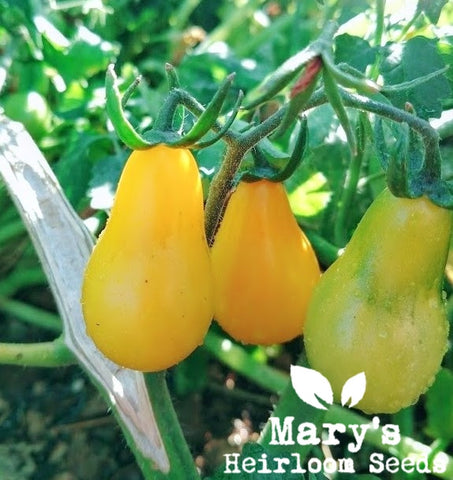
I don't sell anything that I wouldn't grow in my own garden. All of the seeds listed are organic, open-pollinated, non-gmo, heirloom seeds. The picture to the right is one of my own tomatoes.
Anyway, I have been growing my own vegetables and besides the money they save me the flavor is WAY better than the vegetables available at the supermarket. It also makes me feel less dependent on the supply and I know what goes on my veggies.
I put together a few packages of seeds that seem to belong together and the individual seeds are available also. Food prices are not going down and growing your own food, especially heirloom veggies, is a great way to save money and get more nutrition for your dollar.
Happy planting,
Mary
You may have noticed that the price on food, especially produce has been going up. The quality,
not to mention the nutritional value, has been suffering for quite a while.
Heirloom seeds or seeds that have been passed down for generations are far hardier and as some studies suggest, have more nutritional value than genetically modified (GMO) seeds.
I don't sell anything that I wouldn't grow in my own garden. All of the seeds listed are organic, open-pollinated, non-gmo, heirloom seeds. The picture to the right is one of my own tomatoes.
Anyway, I have been growing my own vegetables and besides the money they save me the flavor is WAY better than the vegetables available at the supermarket. It also makes me feel less dependent on the supply and I know what goes on my veggies.
I put together a few packages of seeds that seem to belong together and the individual seeds are available also. Food prices are not going down and growing your own food, especially heirloom veggies, is a great way to save money and get more nutrition for your dollar.
Happy planting,
Mary
What is GMO?
Genetically Modified Organisms (GMO) are created using gene-splicing techniques of biotechnology (also called genetic engineering, GE) In 30 other countries around the world there are significant restrictions or outright bans on the production of GMOs, because they are not considered proven safe. In the U.S. on the other hand, the FDA approved commercial production of GMOs based on studies conducted by the companies who created them and profit from their sale.
If you will do the research you will see that GMO veggies don’t produce viable seeds and they digest differently than heirloom veggies.
For more information, check out http://www.nongmoproject.org/industry/about-gmos/
If you will do the research you will see that GMO veggies don’t produce viable seeds and they digest differently than heirloom veggies.
For more information, check out http://www.nongmoproject.org/industry/about-gmos/
Thank you for choosing Mary's Heirloom Seeds.